
Why Fish Die in Green Ponds (And How to Prevent It Naturally)
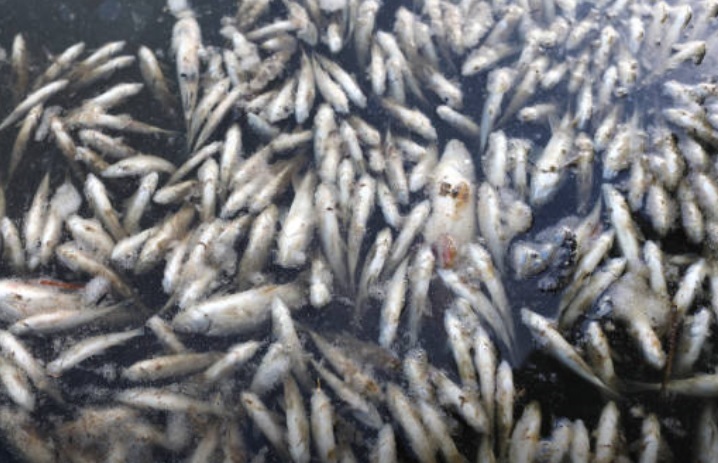
If your pond water has turned green and your fish seem stressed, gasping at the surface, or worse — dying — the problem is rarely “just algae.”
Fish deaths in backyard ponds are usually caused by sudden oxygen crashes triggered by algae blooms. Understanding why this happens is the first step toward preventing it.
What Causes Fish Deaths in Garden Ponds?
In most small ponds, fish kills are linked to three main factors:
- Excess nutrients (from fish food, leaves, fertiliser run-off)
- Rapid algae growth
- Low dissolved oxygen
When nutrients build up, algae multiply quickly. During the day, algae produce oxygen through photosynthesis. But at night, they consume oxygen — just like fish.
In heavily green ponds, nighttime oxygen levels can drop dangerously low. Fish begin gasping at the surface because they cannot get enough oxygen from the water.
This is called an oxygen crash.
How Do I Stop My Pond Fish From Dying?
If green water and oxygen crashes are the cause, the goal isn’t to “kill algae” — it’s to stabilise your pond’s nutrient balance.
For small garden ponds, Diatomix Garden Pond helps support beneficial diatoms that naturally absorb excess nutrients and reduce the conditions that lead to oxygen crashes.
Why Algae Blooms Are Dangerous for Fish
Algae blooms don’t just make water look bad. They destabilise the entire pond ecosystem.
When algae grow rapidly:
- They block sunlight from reaching deeper water
- They outcompete beneficial microorganisms
- They create large swings in oxygen levels between day and night
- When they die off, decomposing algae consume even more oxygen
This cycle stresses fish and can quickly lead to mass die-offs, especially during warm weather.
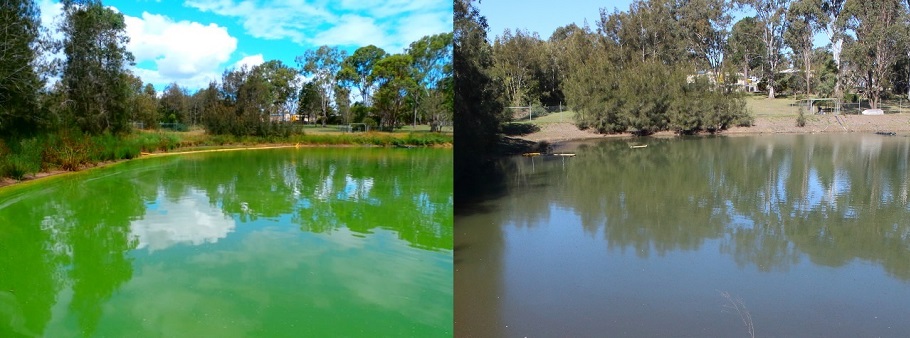
Why Killing Algae Isn’t the Real Solution
Many pond owners turn to algaecides when water turns green. While these products may kill algae quickly, they often make oxygen crashes worse.
When large amounts of algae die suddenly:
- Bacteria begin breaking down the dead material
- This process consumes oxygen
- Oxygen levels drop even further
The result? More fish stress — sometimes worse than before treatment.
Short-term algae killing does not fix the underlying nutrient imbalance.
The Real Problem: Nutrient Overload
Most backyard ponds accumulate excess nitrogen and phosphorus over time.
Sources include:
- Uneaten fish food
- Fish waste
- Decaying leaves
- Lawn fertiliser runoff
- Organic debris
Without a stable biological pathway to remove these nutrients, algae will continue to dominate.
A Natural Way to Prevent Fish Kills
Instead of killing algae, the safer long-term approach is restoring ecological balance.
How Diatomix works is by supporting the growth of beneficial diatoms — microscopic algae that naturally absorb excess nutrients.
Unlike nuisance algae, diatoms:
- Do not form toxic surface scums
- Help stabilise oxygen levels
- Support natural food chains
- Improve water clarity over time
By shifting the nutrient balance toward beneficial organisms, ponds become more stable and resistant to sudden oxygen crashes.
Signs Your Pond Is at Risk
Your pond may be at risk of a fish kill if you notice:
- Thick green water or surface scum
- Fish gasping at the surface early in the morning
- Strong odours
- Rapid algae growth during warm weather
- Recent heavy rain washing nutrients into the pond
Early intervention prevents bigger problems.
How to Stabilise Your Pond
For small garden ponds (under 10 m²):
Use Diatomix Garden Pond as directed, starting with small, regular doses spread across the week.
For larger ponds or higher nutrient loads:
Diatomix Concentrate or Diatomix IV may be more appropriate.
Consistent dosing helps maintain nutrient balance and reduces the likelihood of algae-driven oxygen crashes.
Prevention Is Easier Than Recovery
Once a fish kill occurs, recovery is slow and stressful.
Maintaining nutrient balance year-round is far easier than correcting a crash after it happens.
Healthy ponds are not algae-free — they are biologically balanced.
Protect Your Fish. Restore Balance Naturally.
If your pond has turned green or your fish appear stressed, take action before oxygen levels drop further.
Explore the right Diatomix formulation for your pond and stabilise your water naturally.